The short answer: October to November
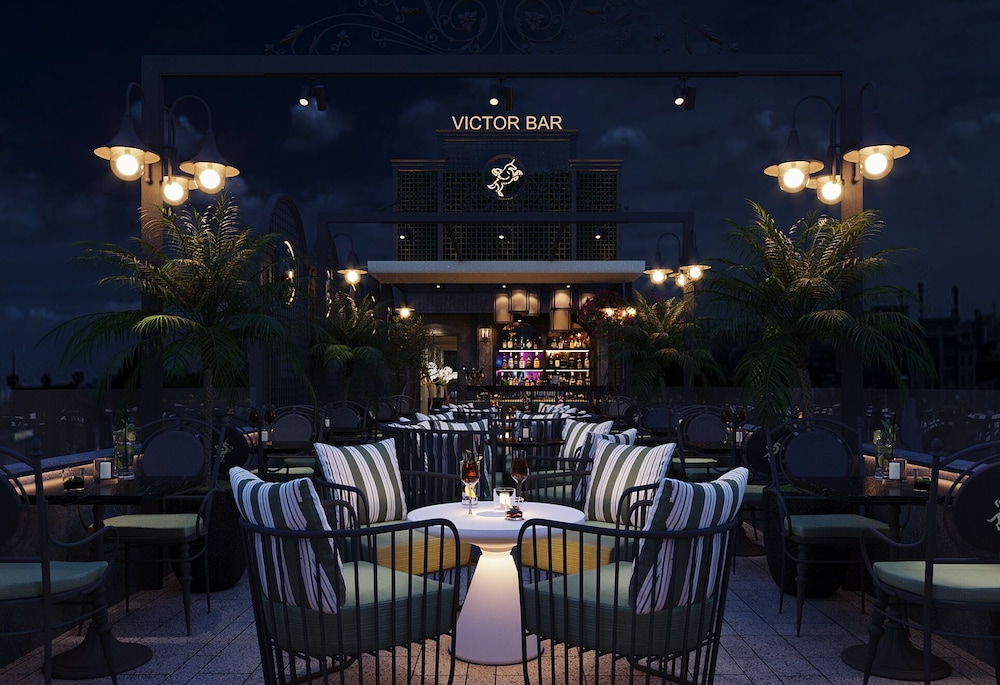
The best time to visit Hanoi is the autumn window from early October to late November. Days settle at 20-27°C with low humidity, clear skies and the yellow plane leaves along Phan Dinh Phung and Hoang Dieu that locals queue to photograph. It is the only stretch of the year when the weather works for all-day walking in the Old Quarter, a Ha Long or Ninh Binh day trip, and a rooftop evening in Tay Ho at the same time. Overnight Ha Long cruises run their fullest schedules now because the sea is calm and typhoon risk has passed, so a two-day boat trip is a safe booking rather than a gamble.
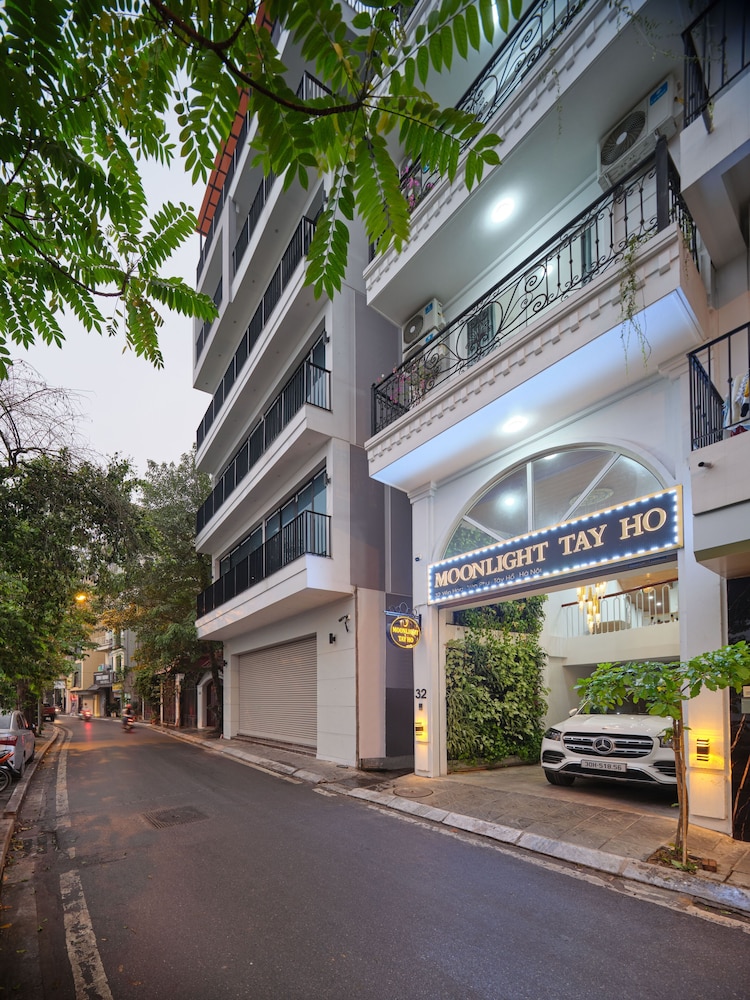
The trade-off is demand: this is peak season, so Old Quarter three-star rooms run $35-55 and four-star $80-140, up 20-30% on the shoulder months. Book two to four weeks ahead for late-October and early-November weekends, and further out if you want a specific lake-view room in Tay Ho or a courtyard hotel near Hoan Kiem. Weekday nights are noticeably cheaper than Friday and Saturday, so a Tuesday-to-Thursday stay shaves the bill without touching the weather. If you value clear skies over a cheap room, autumn is worth every extra dollar — no other month delivers this exact combination.
Within the window, aim for the first half of November if you can. October still carries the tail of the wet season and can throw a grey, drizzly week, while late November edges toward the December chill. The first two weeks of November are the statistical sweet spot: driest air, stable 22-25°C afternoons, and crowds thinner than the October National Day and Mid-Autumn overflow. Sunrise near 6am and sunset around 5:30pm give you roughly eleven usable daylight hours, enough for a museum morning and a long walk before dark without rushing either. Bring a light jacket for the evenings, which can dip to 18°C by the end of the month.
When to break the rule
For the second-best weather at a lower price, come mid-March to late April: 20-25°C, the occasional drizzle, and cherry blossom at the Japanese Embassy garden in late March. Rates sit 15-20% below autumn, and Ha Long cruises are running again after the winter fog that grounds photographers in January and February. Spring is also when Sapa's terraces green up and Ninh Binh's boat rides at Trang An are pleasant rather than sweltering, so it suits a trip that pairs Hanoi with the north. The catch is the low cloud — spring skies are often white rather than the deep blue autumn delivers.
For the cheapest usable trip, take May or September. Both are hot (30-34°C) and prone to afternoon storms, but the city runs completely normally and hotels drop 20-30%. May has a hidden prize: the rice at Tam Coc in Ninh Binh turns gold in late May and early June, one of the best photo windows in the north. September rides the tail of Mid-Autumn and cools slightly by month's end. Duck the rain either month by front-loading your day — the Temple of Literature, museums and coffee before noon, then walking and street food after 6pm when the heat breaks and the storms have usually passed.
Two windows to approach with care. June to August is the swamp: 32-38°C, 85% humidity and thunderstorms that flood Ta Hien in twenty minutes, plus the northern typhoon season that can cancel a Ha Long cruise at short notice — visitable, but plan indoor afternoons and keep boat trips flexible. Mid-December to February brings damp 10-16°C cold with no heating in most hotels and a two-week drizzle spell locals call "mua phun" in February; the fog also flattens Ha Long and Sapa views. Pack a warm layer everyone forgets, and treat these months as a city-and-food trip rather than a landscape one.
Timing around Tet and the festivals
The one date to plan around is Tet, Lunar New Year — in 2026 it falls on 17 February. The city dresses up with kumquat trees and peach blossom for a week beforehand, then half the shops and restaurants shut for four to five days and Hanoi half-empties as locals return to home provinces. If your trip overlaps, arrive the day after Tet eve: the first three days are quiet and eerie in a good way, temple visits at Quan Su and the Perfume Pagoda are at their most atmospheric, and most sights reopen by day four. Prices spike and trains and sleeper buses sell out a month ahead, so lock transport early.
Otherwise, autumn stacks up nicely with the calendar. Mid-Autumn Festival, in September into early October, fills Hang Ma street with lanterns for about three weeks and is the best free spectacle of the year. National Day on 2 September brings a parade past Ba Dinh Square, and Liberation of Hanoi on 10 October is when museums mount special exhibits and the flag tower area is busiest. If dates are flexible, land in the first half of October and you catch both the tail of the good weather and the Liberation anniversary — just book rooms early, because the long weekend fills fast.
One more seasonal set-piece is worth timing around: West Lake's lotus ponds bloom through June, when photographers rent ao dai and shoot at dawn around the Tay Ho causeway despite the heat, and cafés along Nhat Chieu sell fresh lotus tea. It is the single best reason to accept a summer trip. If flowers and early-morning light matter more than comfort, June delivers; if all-day comfort wins, skip it and take autumn, when the same lake is best enjoyed at sunset from a rooftop rather than a steaming pondside at 5am.
How far ahead to book each season
Booking lead time swings more than most visitors expect. For autumn weekends in late October and November, reserve two to four weeks out; for Tet and the days either side, a full month, since domestic travel clogs every train and sleeper bus. Shoulder spring (March-April) and the cheap hot months (May, September) are relaxed — a week ahead usually secures a good four-star room, and walk-in bargaining still works at three-star places on quiet weekday nights. The exception is any Vietnamese public holiday: 30 April-1 May and 2 September trigger domestic mini-breaks that fill Old Quarter and Tay Ho hotels as fast as foreign peak season does.
Match the room to the season, not just the price. In autumn and spring, a courtyard or balcony hotel near Hoan Kiem earns its rate because you will actually sit outside; in the damp December-February stretch, prioritise a hotel with reliable heating and a good indoor breakfast room over a view you won't use. For summer, a pool becomes the deciding feature — Tay Ho four-stars with rooftop pools justify their $90-140 when the afternoon hits 36°C. Read recent reviews for "heating" and "air-con" mentions before you commit, because listings rarely spell out either and both make or break a Hanoi stay in the wrong month.
Questions, answered
Hotels in Hanoi
See all stays →Curated picks are coming — meanwhile, the live search covers every bookable property at the same price or better.