
Cheap hotels across Hanoi — from the Old Quarter lanes to the edge of the Red River
Base yourself near Hoan Kiem Lake, in the French Quarter, or out by West Lake — a thousand years of history on your doorstep.
Where to stay, area by area
Hanoi's 12 urban districts group into a walkable historic core, colonial-era quarters, lakeside neighbourhoods and outer suburbs.


Plan the trip
Three days covers the Old Quarter, the Ho Chi Minh complex and the Temple of Literature — add a fourth for Bat Trang or the Perfume Pagoda.
Multi-day routes
All routesLoop out from Hanoi to Ninh Binh's karst valleys, the imperial citadel of Co Loa, or northwards toward Sa Pa and the highlands.
Old Quarter shophouse loops, the West Lake shoreline circuit and the French Quarter architecture walk — all step-out-the-hotel starts.
OLD QUARTER & LAKES · 3–10 KM · 1 STAGEThe Red River dyke run, the ceramic-village ride to Bat Trang, and the back lanes of Duong Lam ancient village.
3 ROUTES · 20–55 KM · 1–2 STAGESA pho-and-egg-coffee morning, a bun cha lunch loop through Hai Ba Trung, and the Ta Hien beer-corner evening.
3 CRAWLS · HALF-DAY · 1 STAGENinh Binh in a little over two hours, the sleeper up to Sapa, and the local shuttle out to Bat Trang — no car, no traffic.
3 LINES · ALL BY RAIL · 1–3 STAGESPopular hotels right now
See all hotels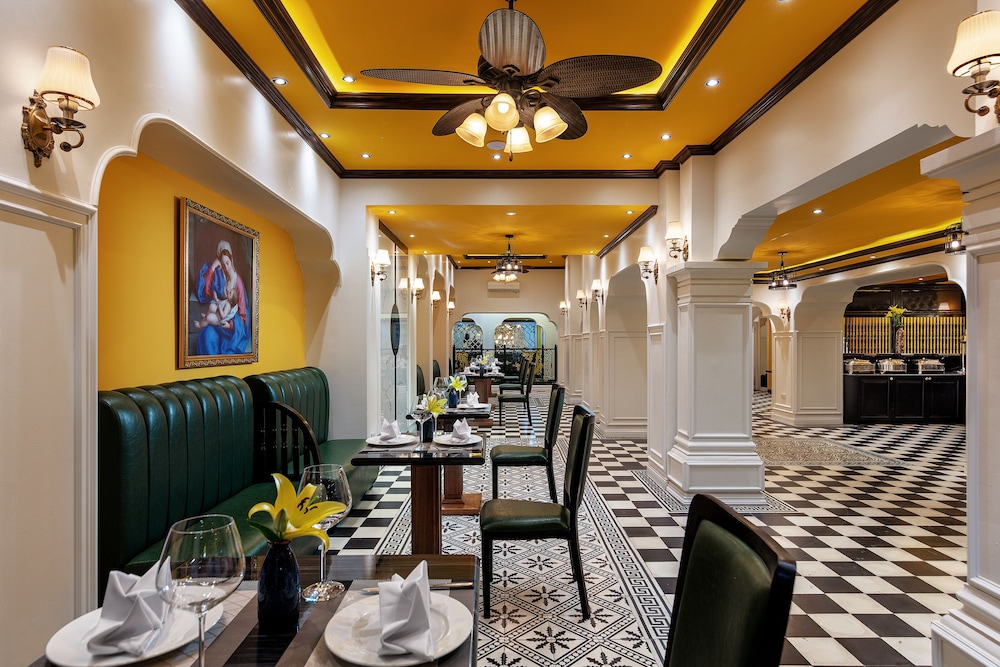
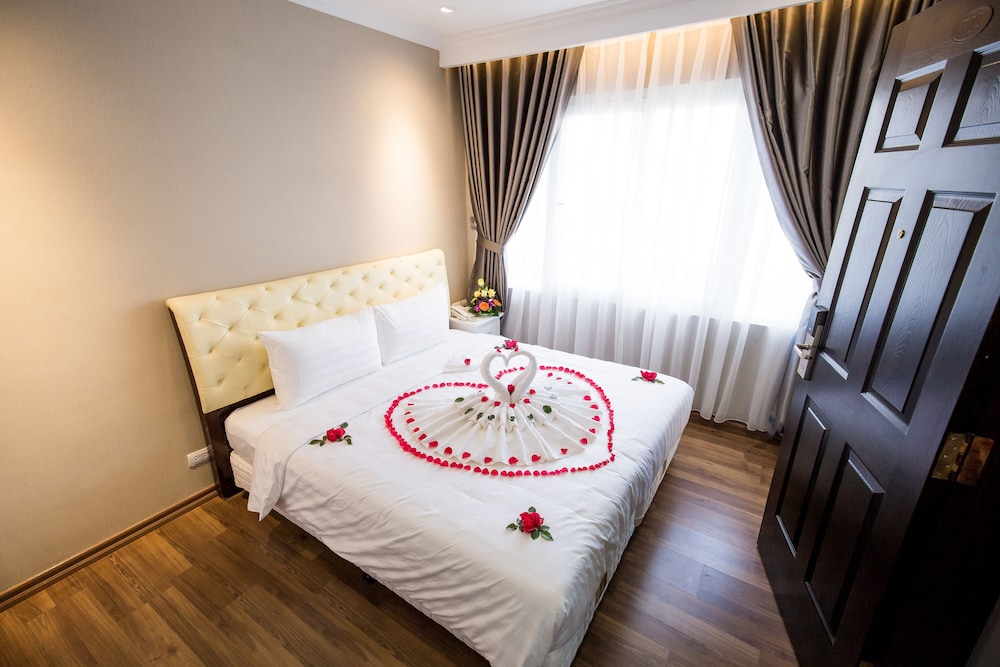

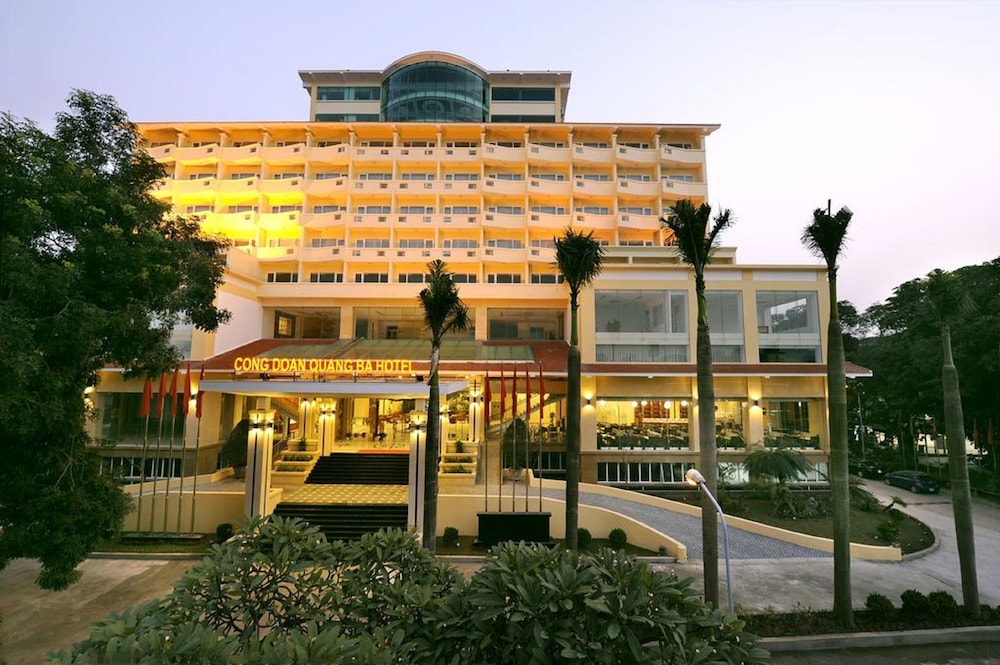
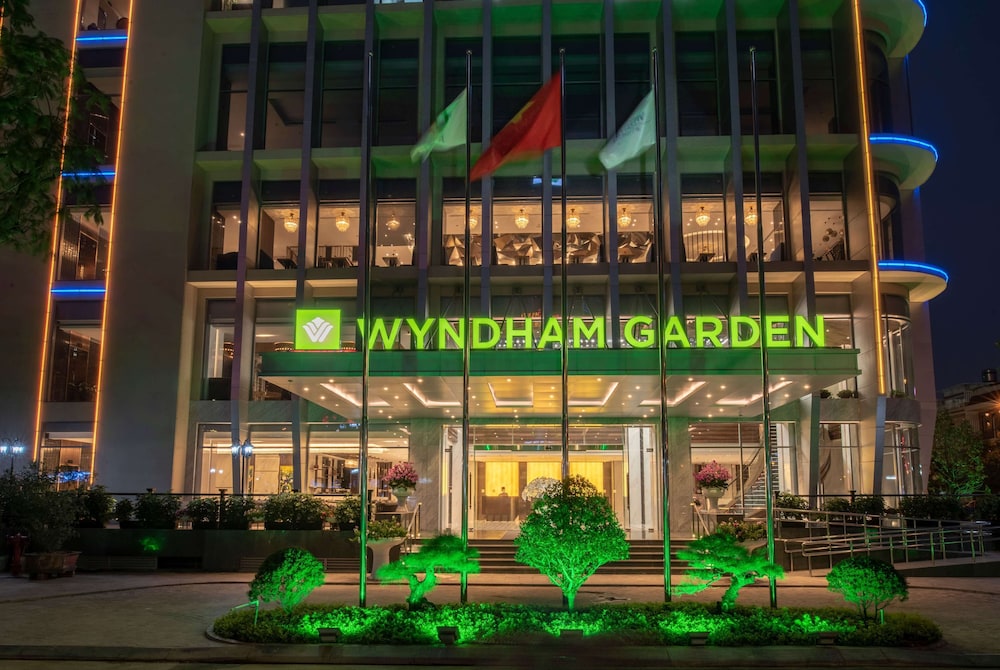

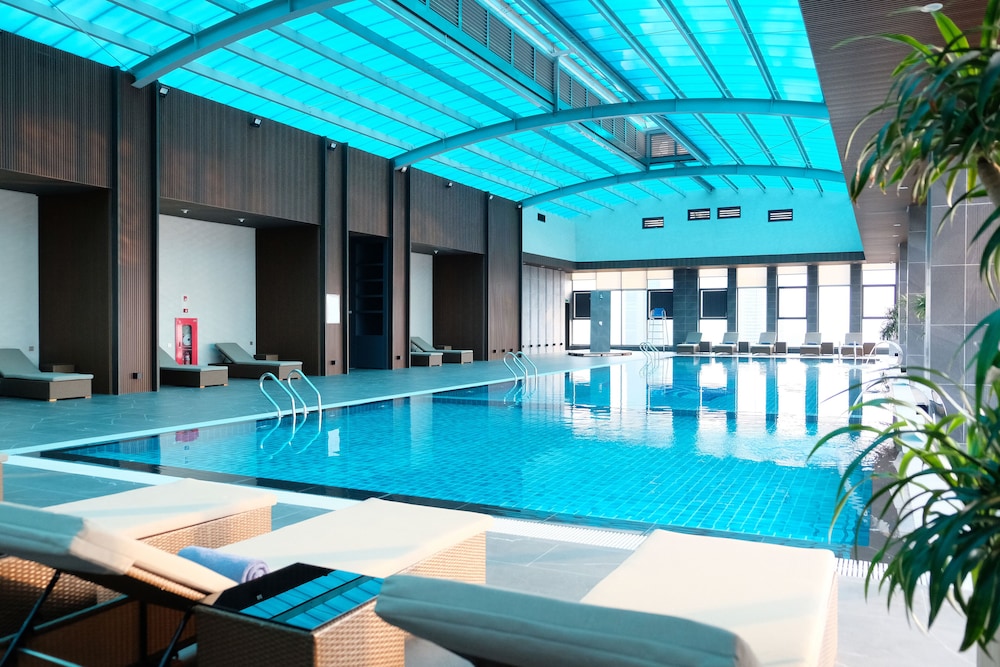
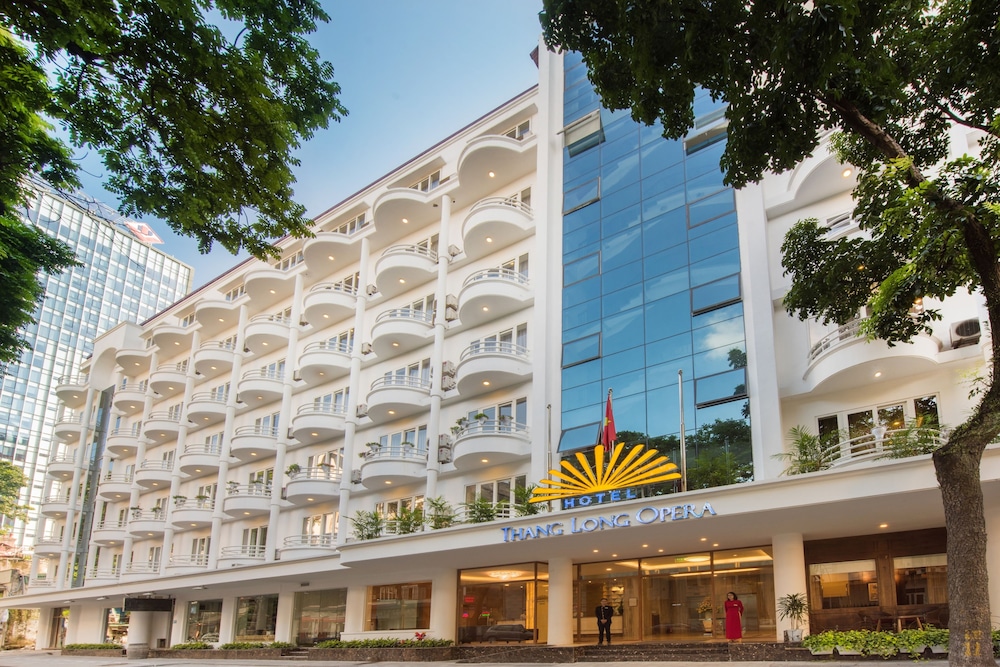
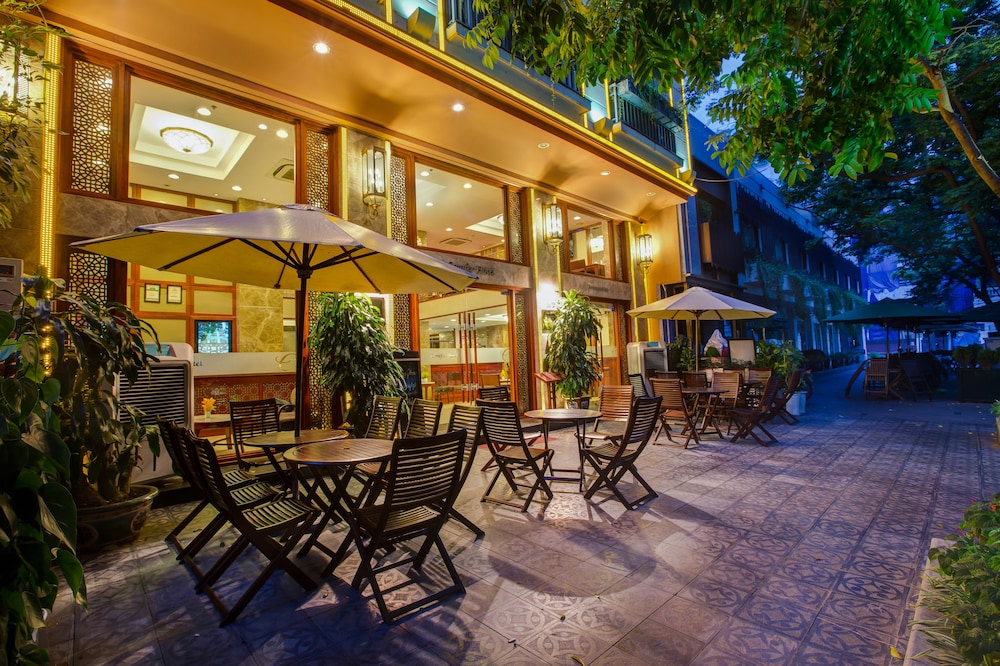
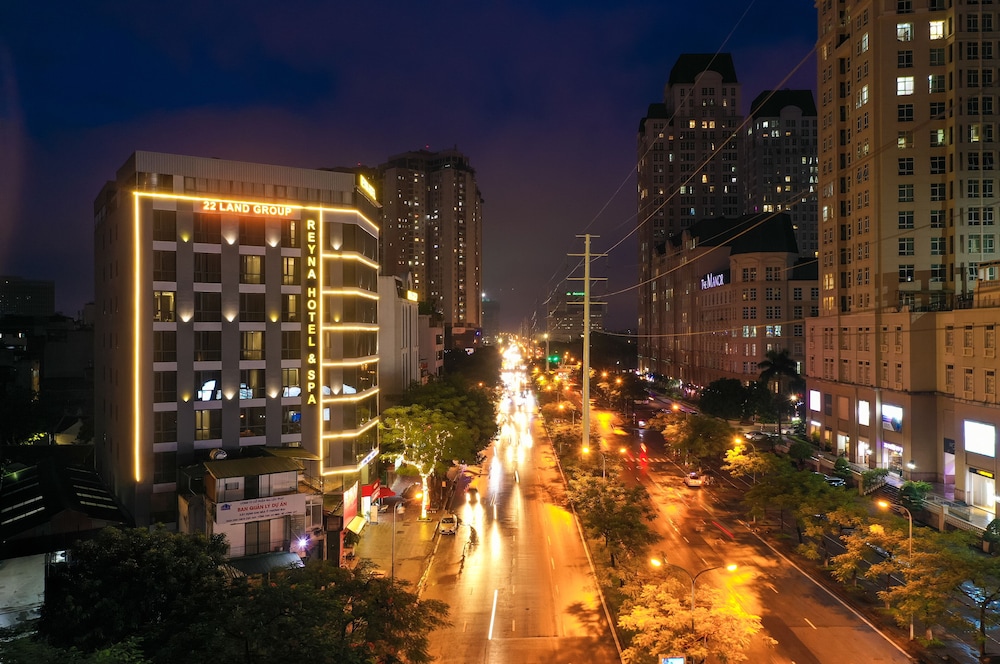
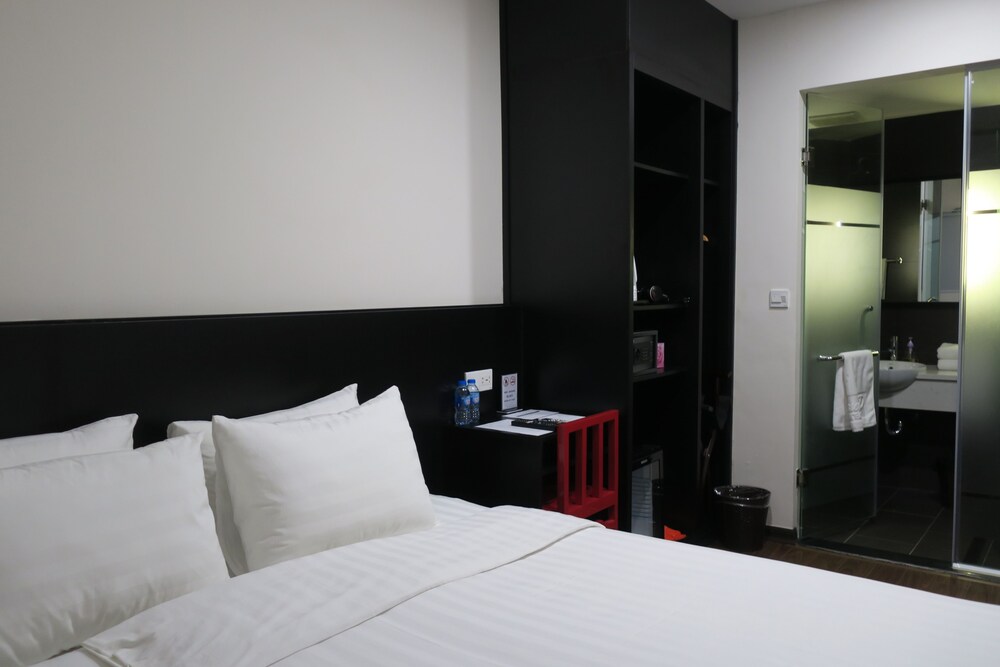

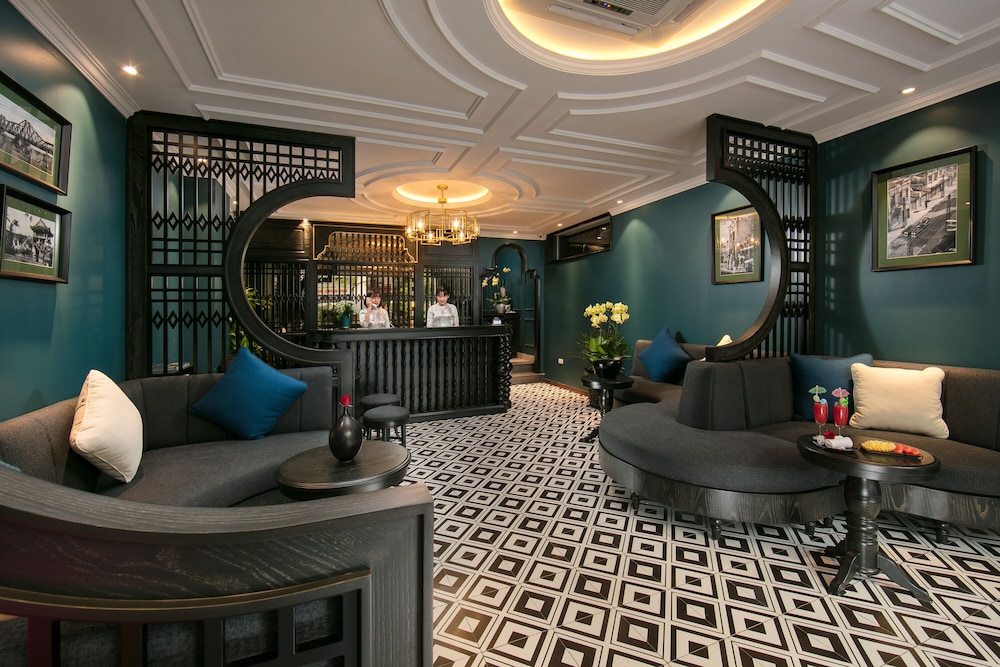
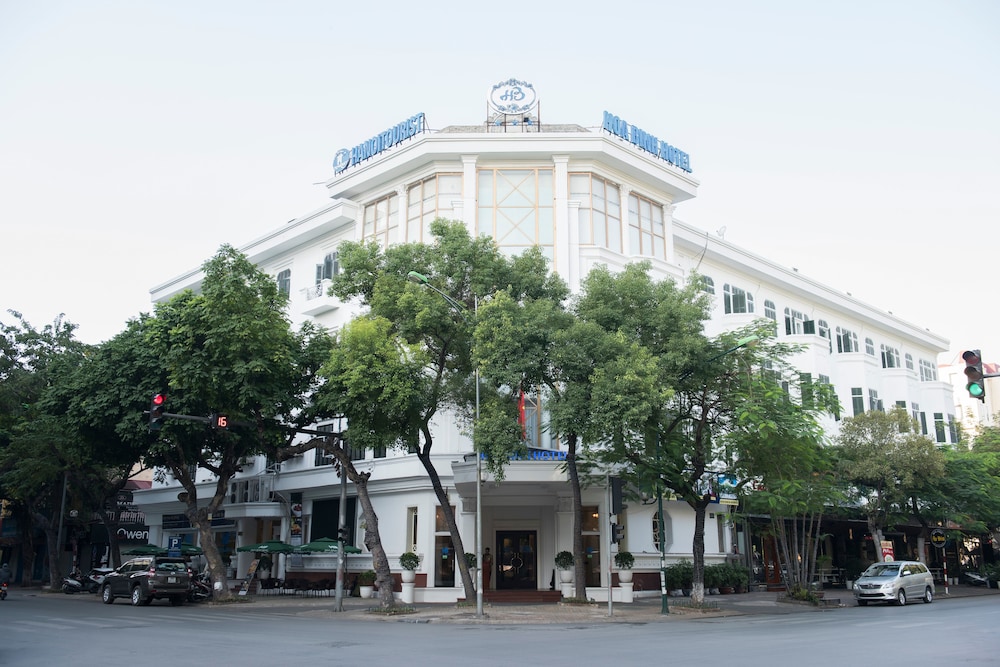
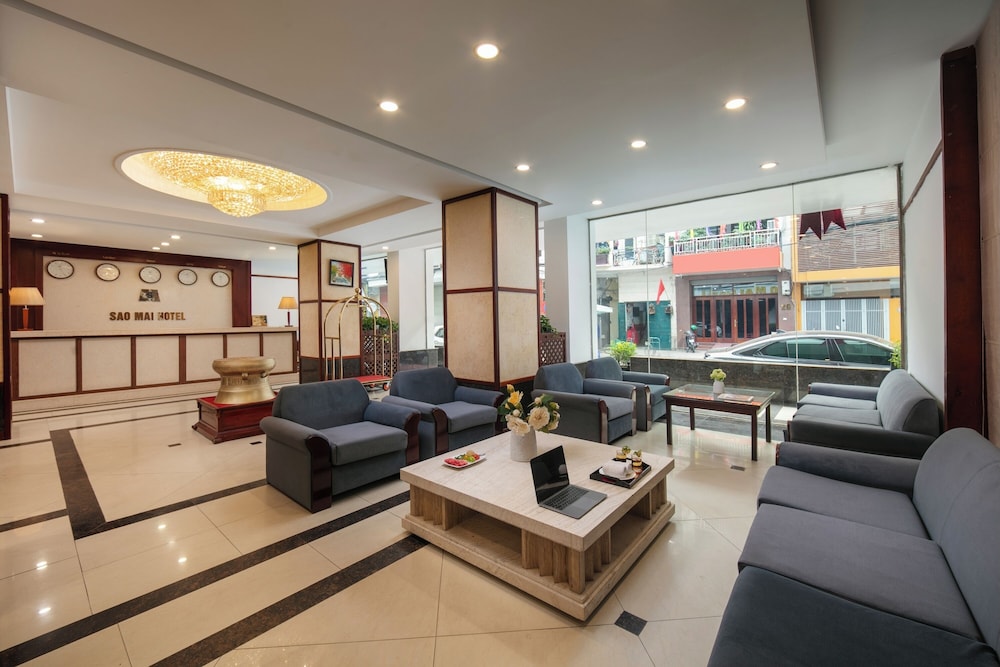
The hotel map
Open the mapEvery district plotted, from the Old Quarter grid around Hoan Kiem Lake to the villa streets of Ba Dinh and the lakeshores of Tay Ho.
When to come — prices by month
Peak season runs October to April when the weather is dry and cool; June to August is hot, humid and cheaper.
May — from $42/night · Rice paddies turn from green to gold in Tam Coc — best photo month
The Hanoi guide
Hanoi is a compact capital with an outsized personality: at its centre, a thousand-year-old city of lakes and shophouses — a dozen serious museums within a short taxi ride, a street-food culture that treats dinner as a plastic-stool marathon, and districts so distinct they behave like separate small towns. But the region doesn’t stop at the Red River. Within a couple of hours of Hoan Kiem Lake sit a UNESCO ceramic village (Bat Trang), the ancient royal capital and hill-temple landscape of Ninh Binh, the limestone theatre of Ha Long Bay, and the terraced highlands of Sapa, with their national parks, ethnic-minority villages and cool-season mists. A handful of buses, trains and ride-hail apps cover almost all of it.
Where to stay: the three logics
Most trips fit one of three shapes. City-first: sleep in the Old Quarter or around Hoan Kiem and walk to everything — or in the French Quarter for the same walk times with quieter, tree-lined nights. Character-first: base in Tay Ho for lakeside cafés and expat brunch, in Ba Dinh for the political-monument core, or in Hai Ba Trung — the best-value central beds in the city and some of its most honest food. Escape-first: the outlying areas — a homestay among the karst peaks of Tam Coc, a boat cabin over the emerald water of Ha Long Bay, or a walkers' base in Mai Chau with trails from the door. Many visitors stitch the two: four city nights, two country nights.
The money: what things cost, and when
Hanoi remains one of the best-value big capitals in Asia. Doubles in Hai Ba Trung and Dong Da start around $18–25 most of the year; the Old Quarter and French Quarter run $30–55 for equivalent rooms; countryside homestays in Ninh Binh and Mai Chau hold $20–35 outside long weekends. The price curve is predictable: floors in May–August (the humid, rainy months), peaks over Tet (lunar new year), the September independence week, and across October–December. A bowl of pho still runs $2–3, a bia hoi under $1, a Grab bike ride across the centre $1–2, and the train to Ninh Binh costs less than a rooftop cocktail.
Getting around: one app, whole region
You will not need a rental car for most of this site. Grab and Xanh SM cover the city like lacework; the northbound sleeper trains reach Sapa in about eight hours; local trains reach Ninh Binh in a little over two; and shuttle vans from My Dinh and Giap Bat stations serve Mai Chau, Ha Long and everywhere in between. A private car earns its keep only for chaining several villages in one day; our getting-around guide maps the whole system.
Beyond the museums
The region rewards walkers and riders as much as museum-goers: the countryside walks run from West Lake shorelines to the rice-terrace ridges above Sapa; cycle routes follow the Red River dykes and the back lanes of Duong Lam ancient village; the parks & gardens range from Hoan Kiem’s turtle-legend lake to the botanical woodland behind the Ho Chi Minh Mausoleum. Eat your way through the street-food guide, time your trip by the events calendar, follow a ready-made itinerary from 24 hours to a week, or plan around small people with the kids guide. Every entry names the nearest place to sleep, one click from live prices.
Who we are
We’re a curated front door to the region. When you tap See price, you’re handed to app.impt.io — a booking engine aggregating over 8 million hotels worldwide at the same price or better — and every booking made through this site funds one verified tonne of CO₂ removal, at no extra cost to you. Same room, same price, small climate receipt.